
Peterson Field Guides to Medicinal Plants and Herbs: A Comprehensive Overview
Peterson Field Guides, specifically focusing on medicinal plants of eastern and central North America, represent a cornerstone resource for botanical enthusiasts and herbalists alike.
Historical Context of the Peterson Field Guide Series
The Peterson Field Guide Series, initiated in 1934 by Roger Tory Peterson with A Field Guide to Birds, revolutionized nature study. Peterson’s innovative identification system, utilizing arrows and focusing on key field marks, made species identification accessible to amateurs. This approach quickly became the standard for field guides across various natural history disciplines.
The series expanded rapidly, encompassing flora, fauna, and geological formations. By the 1970s, the demand for specialized guides grew, leading to the publication of Peterson Field Guide to Medicinal Plants and Herbs in 1977. This guide capitalized on the burgeoning interest in herbalism and natural remedies, providing a portable and reliable resource for identifying plants with medicinal properties. The 1990 edition further refined the content, reflecting updated botanical knowledge and traditional uses.
The Authors: Foster & Duke – Expertise and Collaboration
Steven Foster, a renowned herbalist, photographer, and author, brought extensive practical knowledge of plant identification and traditional herbalism to the Peterson Field Guide to Medicinal Plants and Herbs. His expertise in ethnobotany – the study of the relationship between people and plants – was crucial in documenting traditional uses.
James A. Duke, a highly respected botanist and economic botanist with the USDA, contributed his deep scientific understanding of plant chemistry and pharmacology. Duke’s research focused on the medicinal properties of plants and their potential applications. The collaboration between Foster and Duke was synergistic, blending practical field experience with rigorous scientific analysis.
Their combined expertise ensured the guide’s accuracy, comprehensiveness, and reliability, establishing it as a trusted resource for both amateur and professional herbalists.
Geographical Scope: Eastern and Central North America
The Peterson Field Guide to Medicinal Plants and Herbs specifically concentrates on the flora of eastern and central North America, encompassing a vast and diverse range of ecosystems. This geographical focus includes regions from the Atlantic coast westward to the Great Plains, and from the Canadian border south to the Gulf of Mexico.
This area boasts a rich botanical heritage, with numerous plant species historically utilized for medicinal purposes by both Native American cultures and early European settlers. The guide meticulously details plants found within these boundaries, acknowledging regional variations in plant distribution and traditional uses.
While not exhaustive of the entire continent, this focused scope allows for a detailed and practical resource for those foraging or studying medicinal plants within this specific geographical area.

Key Features of the Guide
Key features include a robust dichotomous key, detailed plant descriptions, and accurate illustrations aiding in precise identification of medicinal plants and herbs.
Identification Keys: Dichotomous Key System Explained
The Peterson Field Guide employs a dichotomous key, a fundamental tool for plant identification. This system presents a series of paired, mutually exclusive statements describing plant characteristics; Users choose the statement that best fits the specimen, leading them to another pair of choices, and so on.
Each successive step narrows down the possibilities, ultimately directing the user to the plant’s correct identification. This method requires careful observation of morphological details – leaf shape, flower structure, stem characteristics, and habitat. The guide’s key is structured to be accessible to both beginners and experienced botanists, though a basic understanding of botanical terminology is helpful.
Successful use relies on accurately assessing the plant’s features and selecting the most appropriate option at each stage. The guide’s authors meticulously crafted the key to minimize ambiguity and ensure reliable results, making it a cornerstone of accurate plant identification in the field.
Detailed Plant Descriptions: Morphology and Characteristics
The Peterson Field Guide doesn’t simply identify plants; it provides comprehensive descriptions of their morphology and key characteristics. Each entry details the plant’s size, shape, and growth habit, covering aspects like stem type (herbaceous, woody), leaf arrangement (alternate, opposite), and leaf venation.
Floral structures are meticulously described, including petal number, arrangement, and color, alongside details of the reproductive parts. Fruit types – berries, capsules, achenes – are also clearly outlined. These descriptions extend to include habitat preferences, flowering times, and geographical distribution.
The guide emphasizes observable traits, enabling confident identification even with variations within a species. This detailed approach allows users to understand not just what a plant is, but how it’s constructed, fostering a deeper appreciation for botanical diversity and aiding in accurate field recognition.

Illustrations and Photographs: Accuracy and Visual Aid
The Peterson Field Guide excels in its visual presentation, employing both detailed illustrations and high-quality photographs to aid plant identification. The illustrations, traditionally a hallmark of the series, aren’t merely artistic renderings; they meticulously highlight key diagnostic features – leaf shape, flower structure, and fruit details.
Photographs complement the illustrations, showcasing the plant in its natural habitat and providing a realistic representation of its appearance. The guide prioritizes accuracy, ensuring that both visual elements faithfully depict the plant’s characteristics, including variations based on growth stage or environmental factors.
These visuals are strategically placed alongside the descriptive text, allowing for quick and easy comparison. This combined approach caters to different learning styles and significantly enhances the user’s ability to confidently identify medicinal plants in the field, minimizing the risk of misidentification.

Medicinal Uses and Traditional Knowledge
This guide delves into the pharmacological properties of each plant, alongside historical medicinal applications—particularly those utilized by Native American cultures for centuries.
Pharmacological Properties of Featured Plants
The Peterson Field Guide meticulously details the chemical constituents responsible for the medicinal effects observed in each plant species. It explores how alkaloids, flavonoids, tannins, and essential oils contribute to therapeutic actions. For instance, the guide explains how echinacea stimulates the immune system through its complex polysaccharide content.
Furthermore, it outlines the impact of these compounds on various bodily systems, including the nervous, digestive, and circulatory systems. The text clarifies mechanisms of action, such as anti-inflammatory, analgesic, and antimicrobial properties. It also acknowledges the varying concentrations of active compounds based on plant part, growing conditions, and harvesting time.
The guide doesn’t shy away from discussing the complexities of plant chemistry, noting that synergistic effects between compounds often enhance overall efficacy. It emphasizes that understanding these pharmacological nuances is crucial for safe and effective herbal applications, bridging traditional knowledge with modern scientific understanding.
Traditional Uses by Native American Cultures
The Peterson Field Guide deeply respects and documents the extensive ethnobotanical knowledge of Native American cultures across eastern and central North America. It details how various tribes traditionally employed plants for healing, spanning a wide range of ailments. For example, the guide illustrates how Black Cohosh root was utilized by numerous tribes for women’s health issues and as a general tonic.
The text meticulously outlines specific preparations – infusions, decoctions, poultices – and their corresponding applications, acknowledging regional variations in practice. It highlights the spiritual significance often interwoven with medicinal plant use, emphasizing the holistic approach to health.
Importantly, the guide presents this information with sensitivity, recognizing the importance of cultural context and avoiding appropriation. It stresses the need for respectful engagement with Indigenous knowledge keepers and advocates for preserving these invaluable traditions, acknowledging the long history of plant-based healing practices.
Cautions and Contraindications: Safety Considerations
The Peterson Field Guide doesn’t solely focus on the benefits of medicinal plants; it provides crucial safety information. It emphasizes that “natural” doesn’t automatically equate to “safe,” and detailed cautions are included for each plant profiled. The guide highlights potential drug interactions, advising readers to consult healthcare professionals before using herbs, especially when on existing medication.
Specific contraindications are clearly stated – for instance, advising pregnant or breastfeeding women to avoid certain plants. It also addresses potential allergic reactions and toxicity concerns, detailing appropriate dosages and warning against overconsumption.
Furthermore, the guide stresses the importance of accurate plant identification to avoid accidental poisoning from look-alike species. It underscores responsible foraging practices, cautioning against harvesting from polluted areas and advocating for sustainable use to protect plant populations. This section is vital for informed and safe herbalism.

Plant Families Covered in the Guide
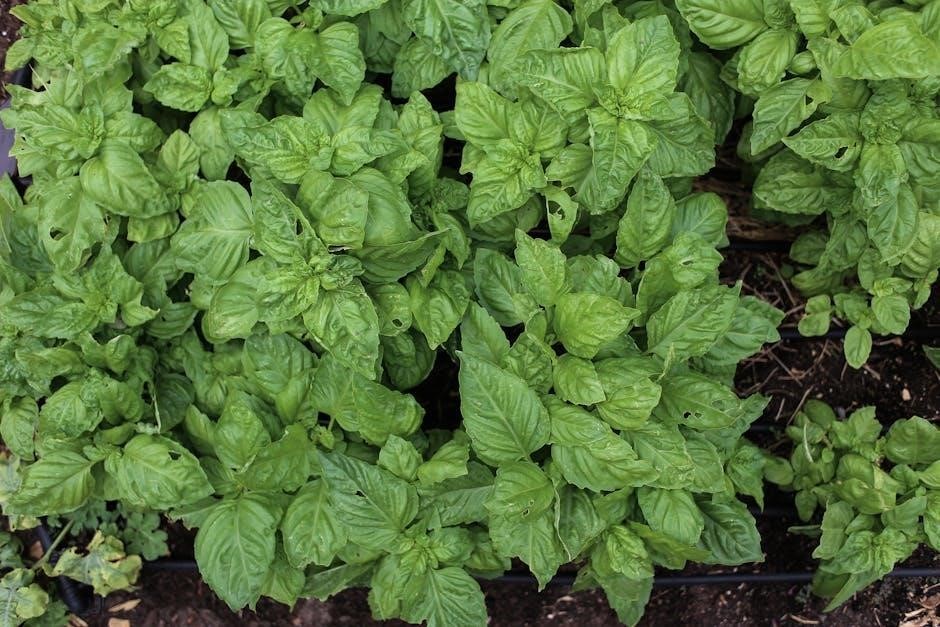
The guide comprehensively covers major plant families like Asteraceae, Lamiaceae, and Rosaceae, detailing numerous medicinal species within each, offering a broad botanical perspective.
Asteraceae (Sunflower Family) – Common Medicinal Members
The Asteraceae family, commonly known as the sunflower family, is prominently featured within the Peterson Field Guide due to its wealth of medicinal plants. This diverse family boasts numerous genera and species utilized for centuries in traditional medicine. Key members detailed in the guide include Echinacea, renowned for its immune-boosting properties, and Arnica, valued for its anti-inflammatory and pain-relieving applications – often used topically for bruises and muscle soreness.
Furthermore, the guide explores Calendula, celebrated for its skin-healing capabilities, and Yarrow, traditionally employed to staunch bleeding and aid wound healing. The Peterson Field Guide meticulously describes the morphological characteristics of each Asteraceae species, aiding in accurate identification. It also delves into their historical uses by Native American cultures, alongside contemporary pharmacological research supporting their medicinal benefits. Detailed cautions regarding potential allergies and contraindications are also provided, emphasizing responsible herbalism and safe usage practices within this significant plant family.
Lamiaceae (Mint Family) – Aromatic and Therapeutic Herbs
The Lamiaceae family, or mint family, receives substantial attention in the Peterson Field Guide, celebrated for its highly aromatic and therapeutically potent herbs. The guide extensively covers Mentha species – peppermint and spearmint – detailing their uses for digestive ailments and respiratory support. Salvia, including sage and lavender, is also thoroughly examined, highlighting their traditional roles in promoting mental clarity and easing anxiety.
Furthermore, the Peterson Field Guide explores Thymus (thyme), valued for its antiseptic properties, and Rosmarinus officinalis (rosemary), known to enhance memory and circulation. The guide provides precise identification keys based on leaf shape, flower structure, and scent. It also details historical medicinal applications documented by Native American communities and contemporary scientific findings. Crucially, the guide emphasizes potential interactions with medications and cautions against overuse, promoting safe and informed herbal practices within this fragrant and beneficial plant family.

Rosaceae (Rose Family) – Fruits and Flowers with Medicinal Value
The Peterson Field Guide dedicates significant coverage to the Rosaceae, or rose family, recognizing its wealth of medicinal fruits and flowers. Detailed descriptions of Rosa species – roses – highlight their vitamin C content and traditional use in skin care and wound healing. The guide meticulously illustrates the differences between various rose hips, crucial for accurate identification and effective use.
Furthermore, the guide explores Prunus species, including cherries and plums, noting their antioxidant properties and historical applications for inflammation. Crataegus (hawthorn) receives detailed attention, with the Peterson Field Guide outlining its cardiovascular benefits and traditional use in supporting heart health. The text emphasizes proper preparation methods for maximizing medicinal benefits and cautions regarding potential side effects. The guide also connects traditional Native American uses with modern pharmacological research, providing a comprehensive understanding of this versatile plant family.

Using the Guide for Sustainable Foraging
The Peterson Field Guide promotes ethical harvesting, plant conservation, and responsible use, alongside crucial warnings about look-alike plants to prevent misidentification.
Ethical Harvesting Practices
The Peterson Field Guide strongly advocates for mindful and sustainable foraging. Responsible harvesting begins with accurate plant identification, ensuring only the target species is collected. Never harvest the entire plant population from a single location; instead, take only what is needed, leaving the majority to regenerate and thrive.
Prioritize collecting from abundant populations and avoid areas that appear stressed or depleted. Consider the plant’s life cycle – harvesting flowers before seed set impacts reproduction, while root collection can be particularly damaging. Always obtain permission before foraging on private land, and be aware of regulations in protected areas.
Spread your impact by harvesting from a wide area, and practice “leave no trace” principles, minimizing disturbance to the surrounding environment. Respect the ecological role of each plant and its contribution to the ecosystem. Sustainable foraging ensures these valuable resources remain available for future generations.
Plant Conservation and Responsible Use
The Peterson Field Guide implicitly promotes plant conservation through informed usage. Many medicinal plants face threats from habitat loss, over-harvesting, and climate change. Understanding a plant’s conservation status – whether it’s common, rare, or threatened – is crucial before considering its use.
Responsible use extends beyond sustainable harvesting to include supporting conservation efforts. This can involve donating to organizations dedicated to plant preservation, advocating for habitat protection, and choosing cultivated sources whenever possible. Avoid purchasing plants sourced from the wild, opting instead for nurseries that propagate ethically.
Educating others about the importance of plant conservation is also vital. Sharing knowledge about responsible foraging and the threats facing medicinal plants can inspire others to become stewards of these valuable resources. Prioritizing conservation ensures the long-term availability of these botanical treasures.
Look-Alike Plants and Avoiding Misidentification
A critical aspect of safely utilizing medicinal plants, emphasized within the Peterson Field Guide, is the ability to accurately identify species. Many beneficial plants have dangerous look-alikes, posing significant risks to those unfamiliar with subtle distinctions.
The guide’s detailed descriptions and illustrations are invaluable in this regard, highlighting key morphological features to differentiate between similar plants. However, relying solely on visuals can be insufficient. Cross-referencing multiple characteristics – leaf shape, flower structure, stem features, and habitat – is essential.
Beginners should always verify identifications with experienced botanists or herbalists before consuming or using any wild plant. Misidentification can lead to poisoning, allergic reactions, or ineffective treatment. Caution and thoroughness are paramount when foraging for medicinal herbs, safeguarding health and well-being.